




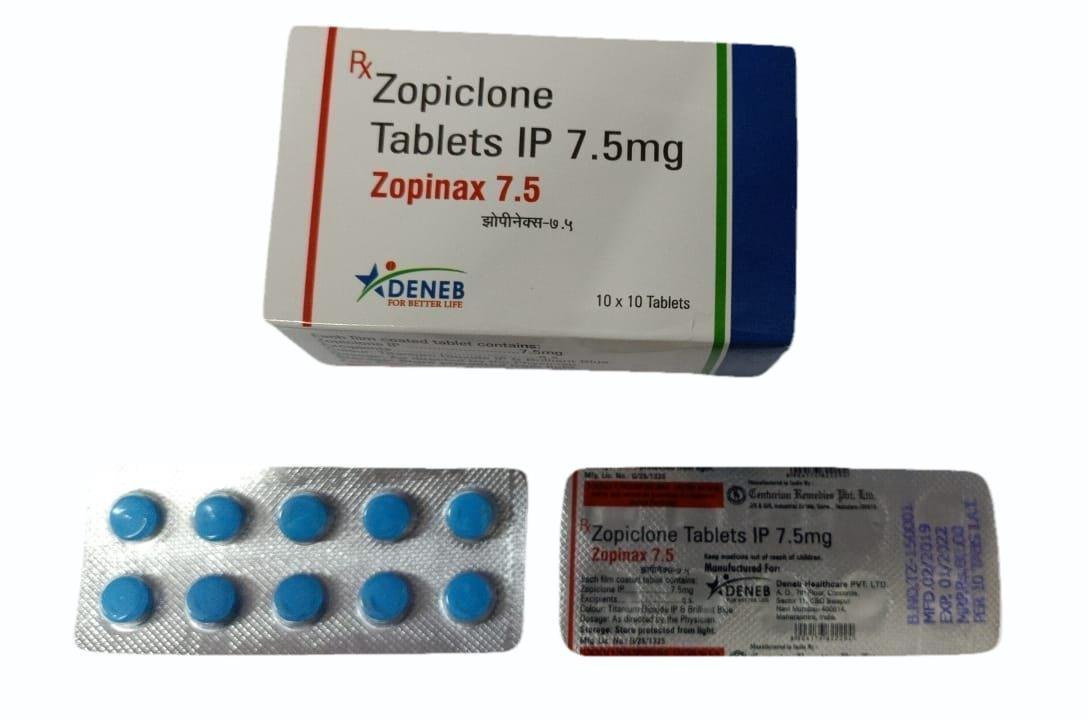
Zopiclone is widely known as a short-term treatment for insomnia, but in the UK it is tightly regulated and cannot be bought freely. Understanding why it is classed as a prescription-only medicine helps explain how the healthcare system tries to balance effective sleep treatment with patient safety.
What zopiclone is used for
Zopiclone is a sleeping tablet prescribed for short-term insomnia, usually when sleep problems are severe or significantly affecting daily life. It works by enhancing the calming activity of a brain chemical called GABA, which helps slow down brain activity and promote sleep.
Doctors typically prescribe it only for a short period because it is not intended as a long-term sleep solution.
Why zopiclone is prescription-only in the UK
In the UK, zopiclone is legally classified as a Prescription Only Medicine (POM) and also a controlled drug (Class C) under drug misuse laws.
This means it can only be supplied with a valid prescription from a licensed medical professional.
There are several key reasons for this strict control:
1. Risk of dependence and addiction
Zopiclone can cause tolerance if used for too long, meaning higher doses may be needed for the same effect. Over time, this can lead to physical and psychological dependence. Stopping suddenly may also cause withdrawal symptoms or rebound insomnia.
2. Short-term treatment only
UK medical guidelines generally recommend zopiclone for 2–4 weeks maximum.
This is because its effectiveness reduces over time and risks increase with prolonged use.
3. Potential for misuse
Because it produces sedative and calming effects, zopiclone has the potential to be misused, especially when taken in higher doses or combined with alcohol or other depressants.
This is one reason it was reclassified as a controlled drug in the UK.
4. Safety risks and interactions
Zopiclone can be dangerous if combined with:
- Alcohol
- Opioid painkillers
- Other sedatives or antidepressants
These combinations can increase the risk of extreme drowsiness, breathing problems, or overdose.
5. Need for medical assessment
Insomnia is not a condition on its own—it can be caused by stress, anxiety, depression, sleep apnoea, medication side effects, or lifestyle factors.
A prescription ensures a doctor checks for underlying causes before giving a sedative treatment.
What this means for patients in the UK
If you are prescribed zopiclone, it means:
- A healthcare professional has assessed your sleep problem
- The medicine is intended for short-term use only
- You should follow strict dosage instructions
- You should not increase or extend use without medical advice
Patients are also usually monitored to prevent long-term dependence and to explore safer long-term sleep strategies.
Can you legally buy zopiclone online in the UK?
No. In the UK, zopiclone cannot legally be sold online without a valid prescription. Any website offering it without medical assessment is operating outside UK law and may supply unsafe or counterfeit medication.
This is why legitimate pharmacies always require a prescription or an online consultation with a qualified prescriber.
About “zopiclone UK next day delivery” searches
Search terms like zopiclone uk next day delivery often appear online, but they can be misleading.
In legal UK medical practice:
- Prescription medicines are only delivered after a valid prescription is issued
- Delivery times depend on pharmacy processing, not marketing claims
- Faster shipping does not replace medical approval
If a service offers zopiclone without prescription verification, it is not operating within UK regulations.
What alternatives doctors may consider
Because long-term reliance on sleeping tablets is discouraged, UK doctors often explore:
- Cognitive Behavioural Therapy for Insomnia (CBT-I)
- Sleep hygiene improvements
- Short-term antihistamine-based sedatives (in limited cases)
- Treating underlying conditions like anxiety or depression
These approaches aim to improve sleep without creating dependency.
Conclusion
Zopiclone is prescription-only in the UK because it is effective but carries significant risks, including dependence, misuse, and dangerous drug interactions. The system is designed to ensure it is used safely, for short periods, and only when medically appropriate.
For patients, this means access is controlled—but also monitored to reduce harm and encourage safer long-term sleep solutions.