




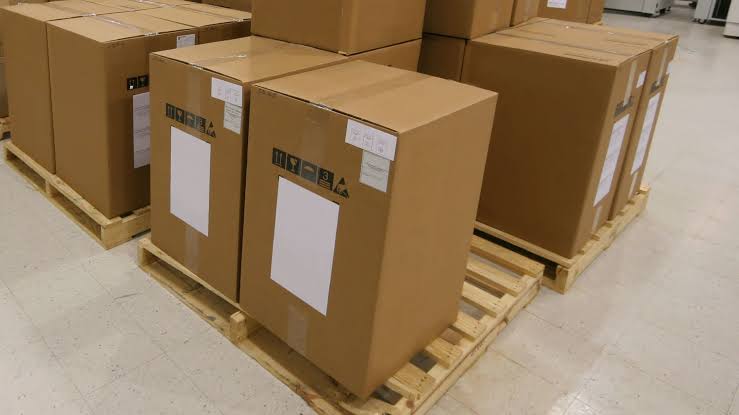
How Much Weight Can Heavy Duty Shipping Boxes Hold?
When you’re shipping large, heavy, or valuable products, choosing the right box is just as important as selecting the right carrier. Whether you’re a manufacturer, warehouse manager, eCommerce seller, or moving company, understanding the weight capacity of shipping boxes helps prevent damaged goods, costly returns, and unhappy customers. If you’re purchasing wholesale heavy duty shipping boxes, knowing how much weight they can safely hold ensures you choose packaging that matches your shipping needs while keeping costs under control.
In this guide, we’ll explain what determines a heavy-duty shipping box’s strength, typical weight capacities, and how to choose the right box for your products.
What Are Heavy Duty Shipping Boxes?
Heavy duty shipping boxes are corrugated cardboard boxes specifically designed to carry heavier loads than standard shipping boxes. They are manufactured using thicker corrugated board, stronger liners, and reinforced construction to withstand stacking, handling, and transportation.
These boxes are commonly used for shipping:
- Industrial equipment
- Automotive parts
- Electronics
- Machinery components
- Books
- Metal products
- Bulk retail inventory
- Moving household items
Unlike regular boxes, heavy duty boxes maintain their structural integrity under greater stress and provide better protection against crushing and punctures.
How Much Weight Can Heavy Duty Shipping Boxes Hold?
There isn’t a single weight limit for every heavy-duty shipping box. The actual capacity depends on several factors, including the box construction, corrugated board strength, box size, and shipping conditions.
Generally speaking:
| Box Construction | Typical Weight Capacity |
| Single Wall Heavy Duty | Up to 65 lbs |
| Double Wall Corrugated | 65–120 lbs |
| Triple Wall Corrugated | 120–300+ lbs |
Some industrial triple-wall corrugated boxes can safely support several hundred pounds when properly packed and palletized.
However, manufacturers typically recommend staying within the certified weight limit to avoid box failure during transit.
What Determines a Shipping Box’s Weight Capacity?
Several factors influence how much weight a shipping box can safely carry.
1. Corrugated Board Type
The most important factor is the construction of the corrugated board.
Single Wall
- One fluted medium
- Two liner boards
- Suitable for lightweight to moderately heavy shipments
Double Wall
- Two fluted layers
- Three liner boards
- Increased stacking strength
- Better puncture resistance
Triple Wall
- Three corrugated mediums
- Four liner boards
- Designed for industrial shipments and extremely heavy products
The more walls a box has, the stronger it becomes.
2. Edge Crush Test (ECT)
ECT measures how much vertical pressure a box can withstand before collapsing.
Common ratings include:
- 32 ECT
- 44 ECT
- 48 ECT
- 51 ECT
Higher ECT ratings provide better stacking strength, making them ideal for warehouses and palletized shipments.
3. Burst Strength
Burst strength measures the amount of pressure required to puncture the box.
Common burst ratings include:
- 200 lb test
- 275 lb test
- 350 lb test
A higher burst rating provides better protection against impacts during shipping.
4. Box Size
Larger boxes naturally experience more stress than smaller ones.
A large box filled with heavy products can flex, bow, or collapse if it isn’t constructed with stronger corrugated material.
Always choose a box designed for both the product’s dimensions and weight.
5. Weight Distribution
Even the strongest box can fail if the weight isn’t evenly distributed.
For best results:
- Place heavier items on the bottom.
- Fill empty spaces with cushioning.
- Avoid concentrating all weight in one corner.
- Keep the center of gravity balanced.
Proper packing significantly improves box performance.
Common Weight Guidelines
Here are some general recommendations for selecting heavy-duty shipping boxes.
| Product Weight | Recommended Box Type |
| Up to 30 lbs | Standard single-wall |
| 30–65 lbs | Heavy-duty single-wall |
| 65–120 lbs | Double-wall corrugated |
| 120–300 lbs | Triple-wall corrugated |
These are general guidelines. Always verify the manufacturer’s specifications before shipping valuable or unusually heavy items.
Industries That Use Heavy Duty Shipping Boxes
Heavy-duty boxes are used across many industries where product protection is essential.
Manufacturing
Factories use heavy-duty boxes to transport machine components, replacement parts, and finished goods.
Warehousing
Distribution centers rely on them for palletized inventory and bulk storage.
Automotive
Heavy metal components, brake parts, and engine accessories require durable packaging.
eCommerce
Online retailers shipping large or expensive products benefit from stronger packaging that reduces damage claims.
Moving Companies
Heavy-duty moving boxes protect books, kitchenware, tools, and electronics during relocation.
Why Box Strength Matters
Choosing a box that’s too weak can lead to several problems:
- Crushed packages
- Torn cardboard
- Product damage
- Customer complaints
- Higher replacement costs
- Increased shipping claims
Using a properly rated heavy-duty shipping box helps reduce these risks while protecting your products throughout the supply chain.
Tips for Maximizing Weight Capacity
Even a strong box performs better when packed correctly.
Use Proper Cushioning
Bubble wrap, foam, kraft paper, or air pillows help distribute pressure and protect contents.
Reinforce the Bottom
Use high-quality packing tape in an “H” pattern across the bottom flaps for added strength.
Avoid Overloading
Never exceed the manufacturer’s recommended weight limit.
Fill Empty Spaces
Void fill prevents products from shifting during transportation.
Choose the Correct Box Size
Avoid oversized boxes, as excess empty space can reduce stability and increase the risk of collapse.
Heavy Duty Shipping Boxes vs. Standard Shipping Boxes
| Feature | Standard Box | Heavy Duty Box |
| Corrugated Thickness | Standard | Thicker construction |
| Weight Capacity | Up to 30–40 lbs | 65–300+ lbs |
| Crush Resistance | Moderate | High |
| Puncture Resistance | Standard | Excellent |
| Industrial Shipping | Limited | Ideal |
| Long-Term Storage | Fair | Excellent |
Heavy-duty boxes are the better choice whenever shipping heavier products or stacking boxes in storage or transit.
Frequently Asked Questions
Can a cardboard box hold over 100 pounds?
Yes. Double-wall and triple-wall corrugated boxes are specifically designed to safely hold loads exceeding 100 pounds when packed correctly.
What is the strongest type of shipping box?
Triple-wall corrugated boxes offer the highest strength and are commonly used for industrial equipment, machinery, and bulk shipments.
Does a thicker box always mean it can hold more weight?
Not necessarily. Weight capacity depends on multiple factors, including corrugated construction, ECT rating, burst strength, and overall box design.
Can I stack heavy-duty shipping boxes?
Yes. Boxes with higher ECT ratings are designed to withstand vertical stacking pressure in warehouses and during transportation.
Should I use double-wall or triple-wall boxes?
Double-wall boxes work well for shipments between 65 and 120 pounds. Triple-wall boxes are recommended for extremely heavy or industrial products weighing over 120 pounds.
Conclusion
The amount of weight a heavy duty shipping box can hold depends on its construction, ECT rating, burst strength, size, and how it’s packed. While many heavy-duty boxes safely carry between 65 and 120 pounds, industrial-grade triple-wall boxes can support loads exceeding 300 pounds when used correctly. Selecting the right box for your shipment helps reduce product damage, improve shipping efficiency, and lower replacement costs.
If you’re looking for dependable, high-quality packaging solutions, Starboxes offers a wide selection of heavy-duty corrugated boxes designed for demanding shipping, storage, and industrial applications. Choosing the right box from a trusted supplier ensures your products arrive safely while giving you confidence in every shipment.